Reviews
Left Turn Driving Puzzle offers a fresh twist on driving games by forcing players to only turn left. The simple controls make it easy to start, but mastering the track requires careful planning and steady control. It is family-friendly, runs in a browser, and provides endless replay value. A great choice for puzzle and driving fans alike.
Description
Game Introduction
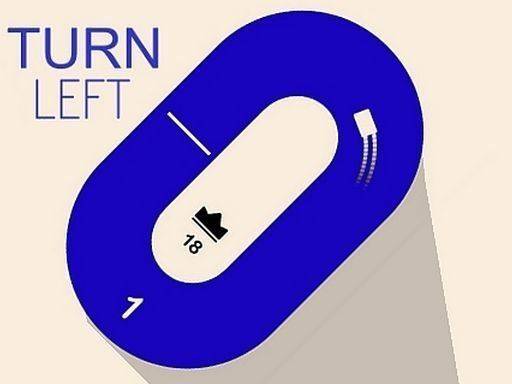
Left Turn Driving Puzzle is a driving puzzle that reimagines traditional racing by imposing a single, strict rule: your vehicle can only turn left. The core objective is to navigate a winding track, avoid obstacles, and stay on the road. Each successful lap adds to your score, and the challenge increases as you must anticipate turns and maintain control. This game tests your focus, timing, and spatial awareness. It is suitable for players of all ages who enjoy a good driving puzzle.
How to Play
Players typically use keyboard arrow keys or on-screen controls to steer their vehicle. The key rule is that you can only turn left, so you must plan your route ahead of time to stay on the track. Avoid driving off the road or hitting obstacles. Each lap completed increases your score. The game ends if you crash or leave the track. Practice your timing and control to achieve the highest number of laps possible. The simple controls make it easy to start, but mastering the left-turn-only rule takes skill.
Game Features
Unique left-turn-only driving challenge that adds a puzzle element to standard racing. Simple and responsive controls for easy pickup. Endless gameplay with increasing difficulty as you progress. Family-friendly and suitable for all ages. No downloads required—play directly in your browser. The game focuses on a clean, focused challenge that is easy to learn but hard to master.
Tips for Success
To excel, always look ahead and plan your turns early since you can only turn left. Maintain a steady speed to avoid losing control on curves. Practice regularly to improve your timing and spatial awareness. Focus on staying centered on the track to minimize the need for sharp corrections. If you find a section difficult, try a slower approach to learn the layout before increasing speed.