Reviews
Hospital Rescue: Driving & Care Simulator stands out for its unique combination of hospital management and emergency driving. The game is easy to learn but offers depth through patient prioritization and resource management. Its positive tone and family-safe content make it suitable for all ages. The driving missions add variety, and the hospital customization keeps players engaged. A rewarding experience for simulation fans.
Description
Game Introduction
Hospital Rescue: Driving & Care Simulator is a simulation game that combines hospital management with emergency response driving. Players take on the role of a hospital administrator and emergency responder, tasked with diagnosing and treating patients while also driving to accident scenes across the city. The game emphasizes efficiency, diagnostic accuracy, and compassion in a safe, vibrant world. Its unique blend of hospital management and on-the-road rescue offers a heartwarming take on medical simulations, focusing on kindness and purpose.
How to Play
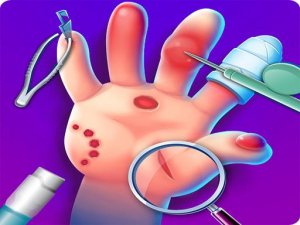
Players typically start by admitting incoming patients and examining their symptoms. Using various medical tools, they treat ailments ranging from simple bandages to more complex procedures. When an emergency alert sounds, players drive a medical vehicle to the accident location. At the scene, they assess multiple victims, administer first aid, and transport them back to the hospital for further care. Success depends on quick decision-making and careful resource management, such as prioritizing patients and using supplies wisely.
Game Features
Features include managing your own hospital, diagnosing and treating a range of illnesses, providing emergency roadside care, and driving to accident scenes. The game offers a positive gameplay experience where each task contributes to a rewarding cycle of helping others and expanding your practice. It is ideal for players who enjoy management games with meaningful challenges and a heartwarming tone.
Tips for Success
To succeed, prioritize patients based on the severity of their conditions. Learn to quickly identify symptoms and apply the correct treatments. When driving to emergencies, plan efficient routes to minimize response time. Manage your medical supplies carefully, as running out of resources can hinder your ability to help. Practice balancing hospital duties with field rescues to maintain smooth operations. Finally, stay calm under pressure—quick, accurate decisions are key to saving lives and growing your practice.