
Reviews
Vehicle Cabin Conundrum offers a refreshingly low-pressure puzzle experience. The focus on observation and logical deduction makes each discovery feel earned. Its clean visuals and intuitive interface let players jump right in, while the interconnected clues provide just the right amount of complexity. Ideal for a short break or a longer session, this game proves that a simple concept can be deeply engaging.
About this game
The Core Concept
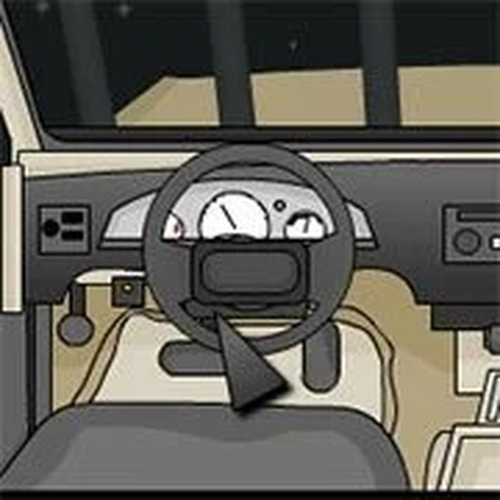
Vehicle Cabin Conundrum places you inside a stationary automobile with a single objective: locate the means to open the door from within. The game focuses entirely on the vehicle's interior, turning every seat, compartment, and surface into a potential hiding spot for clues. Players interact with the environment by clicking on objects, which may reveal notes, buttons, or hidden compartments. The challenge lies in connecting these discoveries to form a logical sequence that eventually unlocks the exit. There are no enemies, no time limits, and no complex mechanics—just pure observation and deduction.
Exploration and Discovery
The car's cabin is designed with multiple areas to investigate. The dashboard contains gauges, vents, and storage bins that might hold useful items. Seats and floor mats can conceal small objects or written messages. The glove box, center console, and door panels are obvious starting points, but less visible spots like the sun visor or under the seat may also contain surprises. Each playthrough presents a fresh arrangement of clues, encouraging thorough examination. The game rewards patience and a methodical approach, as skipping even a single area could mean missing a critical piece of information.
Puzzle Logic and Progression
Clues in Vehicle Cabin Conundrum are interconnected. A number written on a scrap of paper might correspond to a combination lock on a storage compartment. A pattern observed on a dashboard sticker could match a sequence of buttons elsewhere. Some puzzles require combining two or more items, such as using a key found in a seat pocket to open a locked drawer. The game does not provide explicit instructions; instead, players must infer relationships between objects. This design encourages creative thinking and rewards careful attention to detail. Progress feels natural and satisfying as each solved puzzle brings the exit closer.
Visual Style and Atmosphere
The game features clean, simple graphics that prioritize clarity over realism. Objects are distinct and easy to identify, reducing visual clutter. The interior is rendered with enough detail to feel immersive without overwhelming the player. Colors are muted and natural, creating a calm environment that supports focused thinking. There are no distracting animations or sound effects that might break concentration. This minimalist approach ensures that the puzzles remain the central focus, making the experience accessible to players of all ages and skill levels.
Accessibility and Replay Value
Because each session is self-contained, players can start a new game at any time without carrying over progress. This makes it easy to play for a few minutes or an extended session. The lack of timers or scoring removes any pressure, allowing players to work at their own pace. The game is playable directly in a web browser with no downloads or registration required. Its straightforward design means that even those new to puzzle games can jump in and begin exploring immediately. The variety in clue placement ensures that no two playthroughs are exactly alike, offering modest replay value for those who enjoy the challenge.








Comments
Sign in to leave a review
No account? Create one
No comments yet.