
Reviews
Cube Merge succeeds where many casual puzzles falter by offering genuine strategic depth without sacrificing accessibility. The merging mechanic is intuitive, but deciding when to combine spheres versus when to drop them creates meaningful choices. Each level feels thoughtfully designed, with cube arrangements that gradually increase in complexity. The cheerful art style and responsive sound design enhance the experience without being intrusive. It is a well-crafted game that respects the player's time and intelligence.
About this game
Matching Mechanics
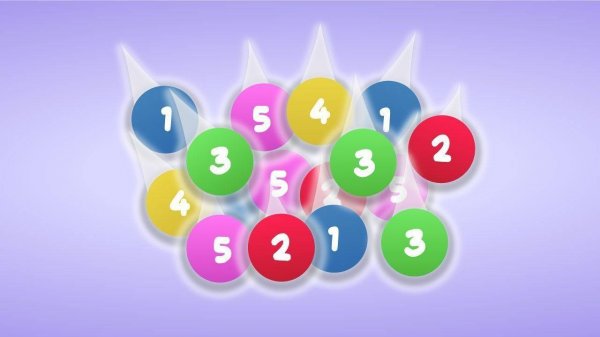
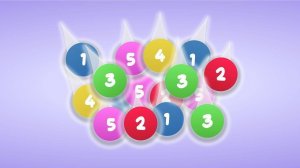
At its core, this puzzle game revolves around pairing identical spheres to create stronger versions. Players start each level with a set of spheres and a field of stacked cubes. By dragging one sphere onto another of the same type, they combine into a single more powerful sphere. This process encourages thoughtful choices about which pairs to merge and when, as higher-tier spheres break cubes more efficiently. The system is simple to grasp but offers room for experimentation.
Level Layouts
Each stage introduces a unique arrangement of cubes that must be cleared. Some layouts feature tight clusters that require precise sphere placement, while others spread cubes across the board, demanding broader strategies. As players progress, the configurations become more intricate, testing their ability to plan several moves ahead. The variety keeps the experience fresh without overwhelming newcomers.
Visual and Audio Design
The game presents bright, cheerful graphics with smooth animations that make each merge and cube break satisfying to watch. Gentle sound effects accompany every action, providing clear feedback without being distracting. The overall aesthetic is clean and inviting, suitable for players of all ages. The interface remains uncluttered, allowing focus on the puzzle at hand.
Progression and Rewards
Completing levels earns coins that can be used to acquire new spheres from an in-game shop. This system gives players control over their toolkit, letting them choose spheres that fit their preferred approach. The difficulty curve is gradual, ensuring that challenges remain engaging without becoming frustrating. Regular practice helps improve timing and decision-making, leading to more efficient clears.





Comments
Sign in to leave a review
No account? Create one
No comments yet.