
Reviews
Moonlit Amusement Park Quest stands out for its gentle approach to puzzle design. Rather than demanding quick reflexes, it asks players to slow down and notice patterns. The companion's movement creates a natural rhythm that feels satisfying to learn. The visual style is bright and inviting, and the lack of punishment for mistakes makes it ideal for younger players. It is a well-crafted experience that proves observation can be just as engaging as action.
About this game
Core Gameplay Loop
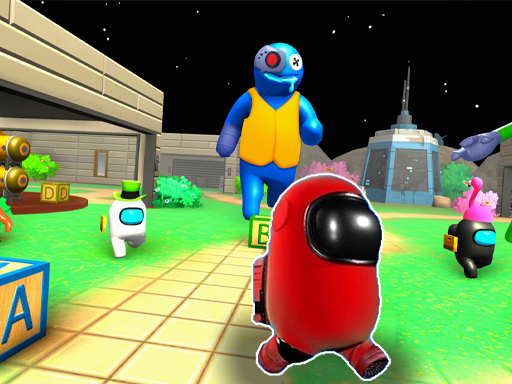
Moonlit Amusement Park Quest centers on a straightforward cycle: observe, plan, then act. Players control a small character exploring a brightly lit park after closing time. A friendly rainbow-colored figure moves through the area on a set path. The player must study this path and time their own movements to reach objectives without being seen. Each round introduces a new objective, such as collecting a glowing token or activating a park feature. The challenge lies in patience and pattern recognition rather than speed or reflexes.
Evening Objectives and Variety
Each night in the game presents a different task. Some require finding a hidden key, while others ask players to flip a switch or gather scattered items. The park environment remains consistent, but the companion's route changes slightly with each new objective. This keeps the experience fresh without overwhelming the player. The objectives are clearly marked, and the game provides gentle hints if the player struggles. The variety ensures that no two nights feel exactly the same.
Visual and Audio Atmosphere
The game uses bright, cheerful colors and simple shapes to create a welcoming environment. The park features recognizable elements like a carousel, benches, and flower beds, all rendered in a clean art style. The soundtrack consists of light, upbeat melodies that reinforce the calm mood. Sound effects are minimal and non-intrusive, focusing on cues that signal the companion's proximity. The overall presentation aims to be soothing and accessible, avoiding any intense or scary elements.
Progression and Difficulty Curve
Difficulty increases gradually across several nights. Early rounds offer simple tasks with generous time limits and predictable companion paths. Later nights introduce more complex routes and tighter windows for completing objectives. However, the game never punishes failure harshly. Players can retry a night as many times as needed without penalty. This design encourages learning from mistakes and improving observation skills over time. The curve feels natural and rewarding for players of all ages.
Family-Friendly Design Philosophy
The game is built around cooperative and shared play. Its forgiving nature means parents and children can play together without frustration. The lack of violence, horror, or competitive pressure makes it suitable for very young players. The simple controls work equally well on touchscreens and mouse inputs. The game also includes a pause feature and adjustable volume, allowing families to tailor the experience to their preferences. The focus remains on shared enjoyment and gentle problem-solving.







Comments
Sign in to leave a review
No account? Create one
No comments yet.